
 These are partnerships that bring together businesses, research centers and universities, allowing innovative products and services to be developed in a wide range of fields; new companies to be started to commercialize these innovations; and a new generation of entrepreneurs to be trained. The Communities act as a networked Hub by supporting: the development and validation of innovative solutions based on cutting‐edge digital technology, resilience to climate shocks.
 Reports from the Hub provides community decision makers and partners with hints and priorities for future gaps that are likely to emerge and highlight synergies between national policies to support the digitization of industries and enterprises, nature regeneration, climate risk management for community resilience.
- Science, Technology and Innovation to Spur regenerative Systems
- Terraforming the desolate, dry and uninhabitable plains of Northern Kenya and Horn of Africa plateau into perennial foodproducing paradise to avert food insecurity, eliminate dependence of relief food supplies and avert climate-induced disaster
- Engage out of school youth to establish a regenerative food infrastructure in their respective communities especially of Moringa: i.e. Moringa oleifera, a fast-growing, drought resistant, nutrient-devise free crop
- The moringa design will help restore/preserve land for ecologically balanced productivity health soil, increase rural community household income, improve/household nutrition, and most importantly lay the foundation for climate change resilience
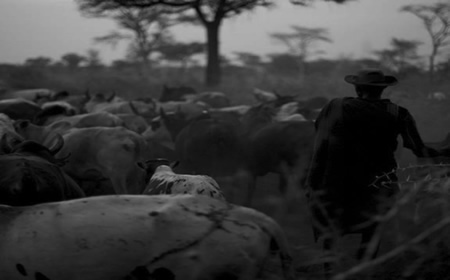 Conflict resolution especially on water access conflicts through mediation, mutual understanding and dialogue
- Restore landscapes, put carbon back in the soil so as to produce nutritions, quality milk and meat (adopt the Savory Institute model: “Land to Market” programs of intervention). This holistic and durable plan is to plant the right trees in the right places in the regenerative reforestation and agroforestry campaign across rural communities in arid and semi-arid regions.: plant trees, harvest peace.
- Green Champions: Advocacy in nature and water protection by the community green champions: Farm-managed natural regeneration in arid, near-desert restoration initiatives. This farm-managed approach is to:-
- Management of trees and shrubs, sprouting root systems or seedsProtecting natural vegetation from grazing cattle, goats, charcoal vendors and indigenous trees in merchants that destroys indigenous trees in the arid regions
- Revitalize the dry lands and bring life back to bare ground and increase productivity of community grasslands
- Improving soil structure, slow erosion, retain water and increase biodiversity
a). Agro-ecology, agro-forestry
- Grow biodiverse crops, trees and plants that endure more yields of higher bionutrient density
- Build biodata-rich organic matter that sequesters carbon
- Restore hydrological cycle, reclaim dry/dying rivers and recharge aquifers
b). Reduce need for fertilizer, pesticides
- Bees and Trees
- Agro-forestry Poultry System
- Proposed livestock enterprise hybrid cattle, goats and sheep with rotational grazing
c). Harnessing the Horn of Africa River ecosystems
- Advocacy against illegal abstraction of the River by highland farmers and enhance collaboration with the Wildlife and Livestock Community
- Educate downstream communities on the dangers of deforestation and cultivation in wetlands and riparian areas